
Healing Diastasis Recti: What I Learned from a Postpartum Physical Therapist
Diastasis recti is a common struggle many mamas face after pregnancy, yet it often feels isolating. I’ve been there, feeling like I’m the only one dealing with this. But trust me, you’re not alone.
After my second pregnancy, I was diagnosed with diastasis recti, and it was a game-changer for me. I learned so much about my body and how to heal it. I wish someone had told me sooner, mama.
This post is all about sharing what I learned from a postpartum physical therapist and my own journey. You’ll find tips, tricks, and encouragement to help you heal and feel stronger. This is one of those things I wish someone had told me sooner, mama.

What Is Diastasis Recti and Why Does It Happen?
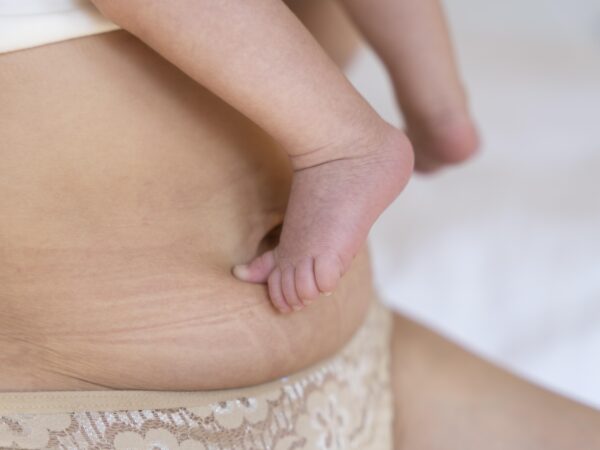
Diastasis recti is a condition where the abdominal muscles separate during pregnancy, causing a gap in the abdominal wall. This can lead to a range of symptoms, including back pain, pelvic floor issues, and a bulging belly. It’s essential to understand what diastasis recti is and how it happens to take the first step towards healing.
Many mamas struggle with diastasis recti because it’s not often discussed openly. We might feel embarrassed or ashamed about our bodies, but it’s crucial to remember that this is a common issue. By acknowledging and addressing it, we can start to heal and feel more confident.
Signs You Might Be Dealing With Diastasis Recti
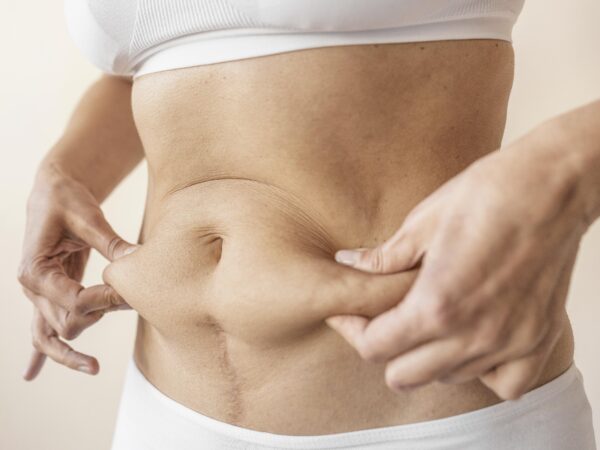
- A visible bulge or pooch in your belly, especially when coughing or straining. This can be a sign that your abdominal muscles are weak and separated.
- Back pain or discomfort, particularly in the lower back. This can be caused by the strain on your back muscles due to the separation of your abdominal muscles.
- Pelvic floor issues, such as incontinence or prolapse. These can be symptoms of diastasis recti, as the separation of the abdominal muscles can put pressure on the pelvic floor.
- Weak core muscles, making it difficult to engage your core or perform everyday activities. This can be a result of diastasis recti, as the separation of the abdominal muscles can affect core strength.
- Difficulty breathing or feeling like your belly is getting bigger. This can be a sign that your diaphragm is not functioning properly due to the separation of the abdominal muscles.
Your Path to Healing: A 4-Week Workout Plan
A postpartum physical therapist can help you create a personalized workout plan to heal diastasis recti. This plan typically involves exercises that target the transverse abdominis muscle, which is the deepest abdominal muscle that wraps around the spine and pelvis. By engaging this muscle, you can start to close the gap and strengthen your core.
A typical workout plan might include exercises like the hundred, teaser, and side plank. These exercises help to engage the transverse abdominis muscle and promote healing. It’s essential to start slowly and progress gradually, as overexertion can exacerbate the condition.
Remember, healing diastasis recti takes time and patience. With a consistent workout plan and healthy lifestyle, you can start to see improvements and feel more confident in your body. Keep in mind that every mama’s journey is unique, and it’s essential to listen to your body and adjust your plan accordingly.
What Actually Helps: My Top Tips
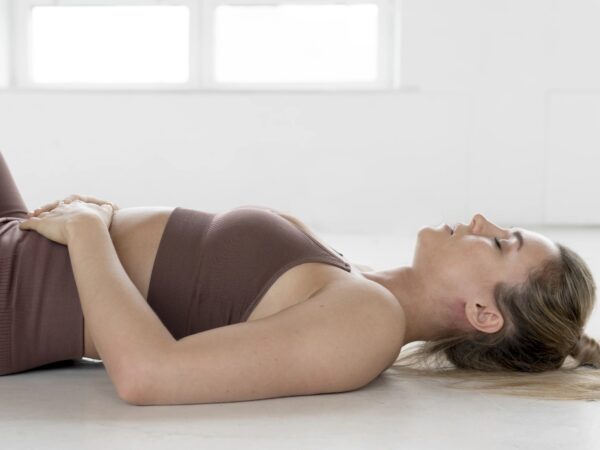
- Engage in deep breathing exercises to help activate your transverse abdominis muscle. Take slow, deep breaths in through your nose and out through your mouth, focusing on expanding your diaphragm.
- Wear a supportive belly wrap or girdle to help provide stability and compression. This can be especially helpful during the early stages of healing.
- Practice good posture to reduce strain on your back and abdominal muscles. Make sure to stand up straight and avoid slouching or leaning forward.
- Strengthen your pelvic floor muscles through exercises like Kegels. This can help to improve bladder control and reduce symptoms of incontinence.
- Stay hydrated and eat a balanced diet to promote healing and overall health. Aim to drink plenty of water and include nutrient-dense foods in your meals.
- Avoid heavy lifting, bending, or straining, which can exacerbate diastasis recti. If you need to lift something, make sure to bend at the knees and engage your core muscles.
What to Avoid
One of the biggest mistakes mamas make when trying to heal diastasis recti is doing too much too soon. It’s essential to start slowly and progress gradually, as overexertion can exacerbate the condition. Avoid doing crunches or sit-ups, which can put additional strain on your abdominal muscles.
Another mistake is not engaging your core muscles properly. Make sure to focus on engaging your transverse abdominis muscle and avoiding compensatory movements. This might take some practice, but it’s essential for effective healing.
My Story
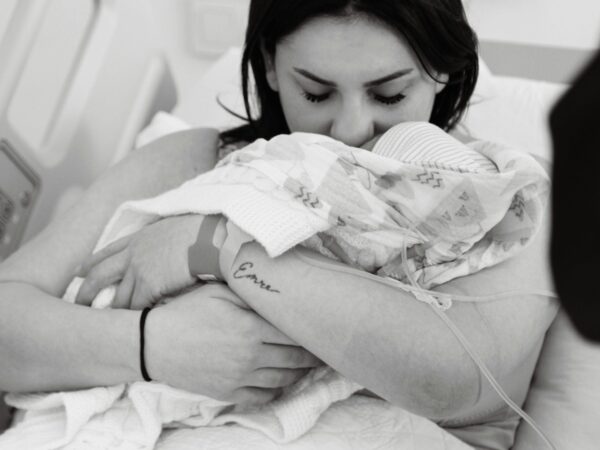
I remember feeling like I was all alone in my struggles with diastasis recti. I felt embarrassed and ashamed about my body, and I didn’t know where to turn. But with the help of a postpartum physical therapist, I started to learn more about my body and how to heal it.
It wasn’t easy, and it took time and patience. But with a consistent workout plan and healthy lifestyle, I started to see improvements and feel more confident in my body. I learned to listen to my body and adjust my plan accordingly, and I’m so grateful for that.
Now, I feel more confident and strong, and I’m passionate about sharing my journey with other mamas. If you’re struggling with diastasis recti, know that you’re not alone, and there is hope for healing and recovery.

When to Talk to Your Doctor
If you’re experiencing severe symptoms, such as intense pain or difficulty breathing, seek medical attention immediately. Additionally, if you’re noticing a significant gap in your abdominal muscles or experiencing incontinence, it’s essential to talk to your doctor.
Don’t be afraid to advocate for yourself and ask questions. Your healthcare provider can provide guidance and support to help you heal and recover. Remember, it’s okay to ask for help, and seeking medical attention is a sign of strength, not weakness.
Mama FAQs
What is diastasis recti, and how is it diagnosed?
Diastasis recti is a condition where the abdominal muscles separate during pregnancy, causing a gap in the abdominal wall. It’s typically diagnosed through a physical examination and may be confirmed with imaging tests like an ultrasound or MRI.
Can diastasis recti be prevented?
While it’s not possible to completely prevent diastasis recti, there are steps you can take to reduce your risk. Engaging in regular exercise, maintaining a healthy weight, and practicing good posture can all help.
How long does it take to heal diastasis recti?
The healing process for diastasis recti can vary depending on the individual and the severity of the condition. With a consistent workout plan and healthy lifestyle, it’s possible to see improvements in a few weeks to a few months.
Can I still have a strong core with diastasis recti?
Yes, it’s absolutely possible to have a strong core with diastasis recti. By engaging in targeted exercises and practicing good posture, you can build a strong, stable core that supports your overall health.
Is surgery necessary for diastasis recti?
Surgery may be necessary in some cases of diastasis recti, but it’s not always required. A postpartum physical therapist can help you determine the best course of treatment for your individual needs.
You’re not alone in this journey, mama. Diastasis recti is a common struggle, and there is hope for healing and recovery. By taking the first step and seeking help, you can start to feel stronger, more confident, and more like yourself.








































































































Share your thoughts 💬