What a Mother Eats During Pregnancy Could Affect Her Child’s Liver — Here’s What New Research Says
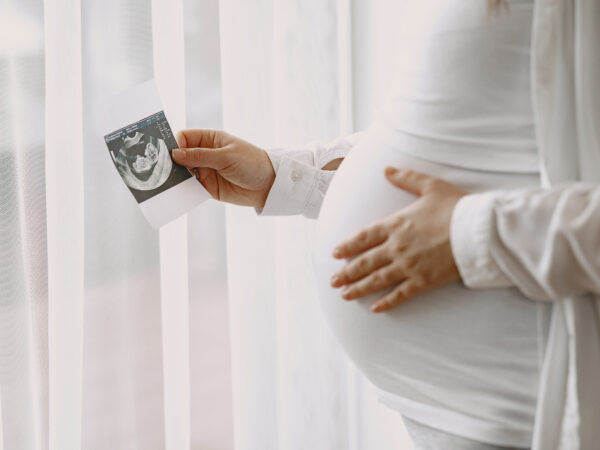
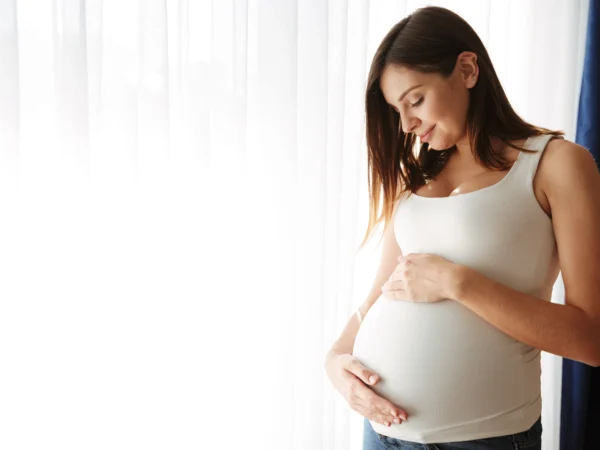
Nobody told me that skipping breakfast in my first trimester could affect my baby’s liver. I was caught off guard when my doctor mentioned that my diet during pregnancy could have a lasting impact on my child’s health. It’s a scary thought, but I’m not alone — many mamas are unaware of the connection between their diet during pregnancy and their child’s liver health.
As a mama, I want to give my baby the best possible start in life, and that includes making informed choices about my diet during pregnancy. I was surprised to learn that certain foods and nutrients can support liver health, while others can hinder it. I wish I had known about the importance of a balanced diet during pregnancy and how it could affect my child’s liver.
This post is all about giving you the lowdown on what a mother eats during pregnancy and how it could affect her child’s liver. We’ll dive into the latest research, explore the signs that you might be dealing with liver issues, and share some actionable tips to support your child’s liver health. This is one of those things I wish someone had told me sooner, mama.
What’s Actually Going On Here?
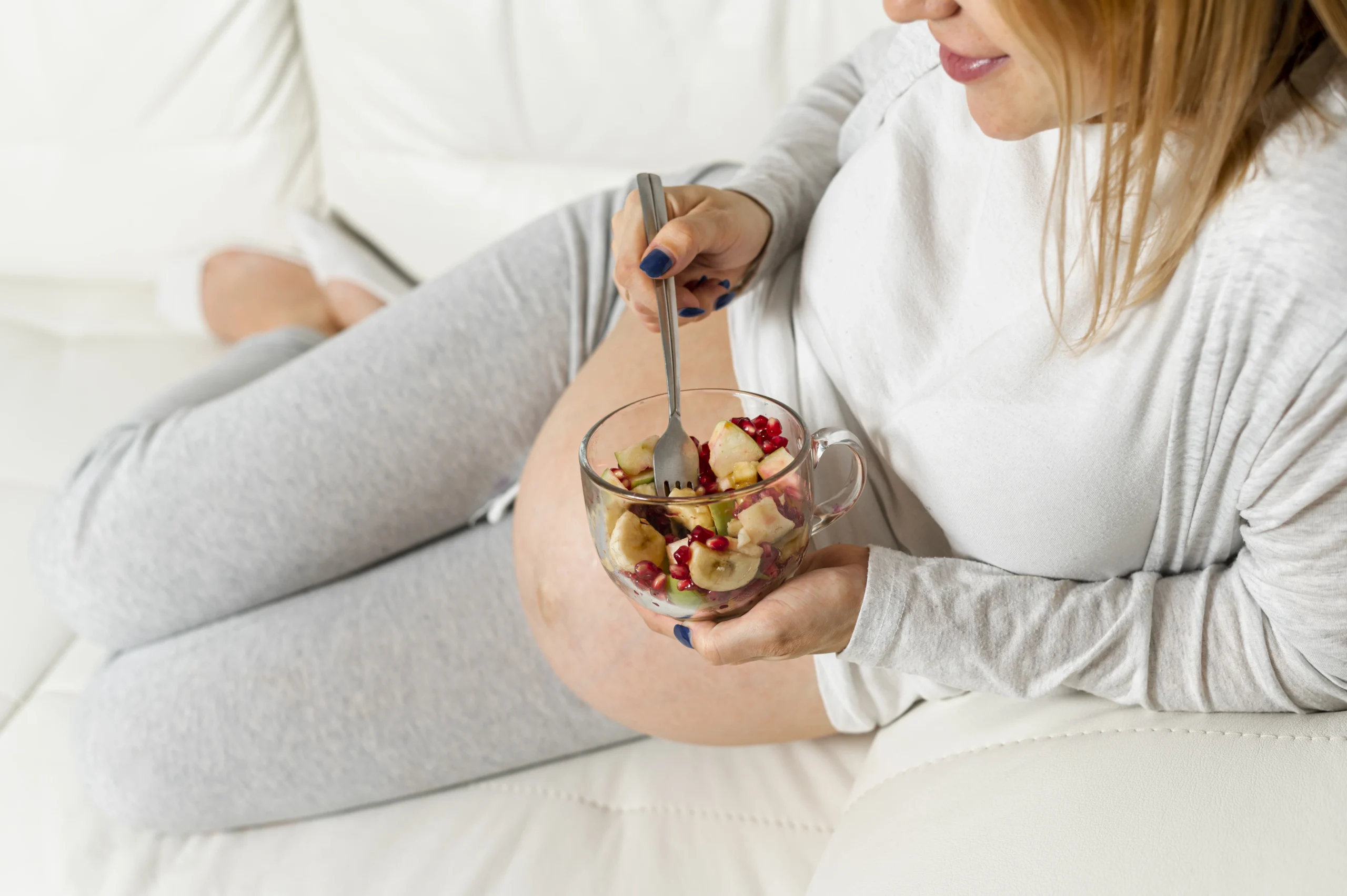
Research has shown that a mother’s diet during pregnancy can have a lasting impact on her child’s liver health. For example, a study found that mothers who consumed a diet high in processed foods and sugar during pregnancy were more likely to have children with liver problems. On the other hand, a diet rich in fruits, vegetables, and whole grains can support liver health and reduce the risk of problems.
Many mamas struggle to make healthy choices during pregnancy, especially when they’re dealing with morning sickness or cravings. It’s easy to reach for convenient or comfort foods, but these choices can have long-term consequences for our children’s health. By making informed choices about our diet during pregnancy, we can give our babies the best possible start in life.
Signs You Might Be Dealing With This
- Fatigue is a common sign that something is off. For example, I remember feeling exhausted all the time during my pregnancy, and no matter how much sleep I got, I still felt tired.
- Digestive issues like bloating or constipation can be a sign that your child’s liver is struggling. For instance, my friend experienced terrible bloating during her pregnancy, and it turned out that her child’s liver was having trouble processing certain nutrients.
- Unexplained weight gain or loss can be a sign that your child’s liver is not functioning properly. I saw this in a friend who gained a lot of weight during her pregnancy, and it turned out that her child’s liver was having trouble regulating blood sugar levels.
- Skin issues like acne or rashes can be a sign that your child’s liver is struggling to detox. For example, I had terrible acne during my pregnancy, and it took me months to figure out that it was related to my child’s liver health.
- Mood swings or anxiety can be a sign that your child’s liver is affecting your hormones. I experienced this firsthand, and it was scary to feel like I was losing control.
How Your Diet During Pregnancy Affects Your Child’s Liver
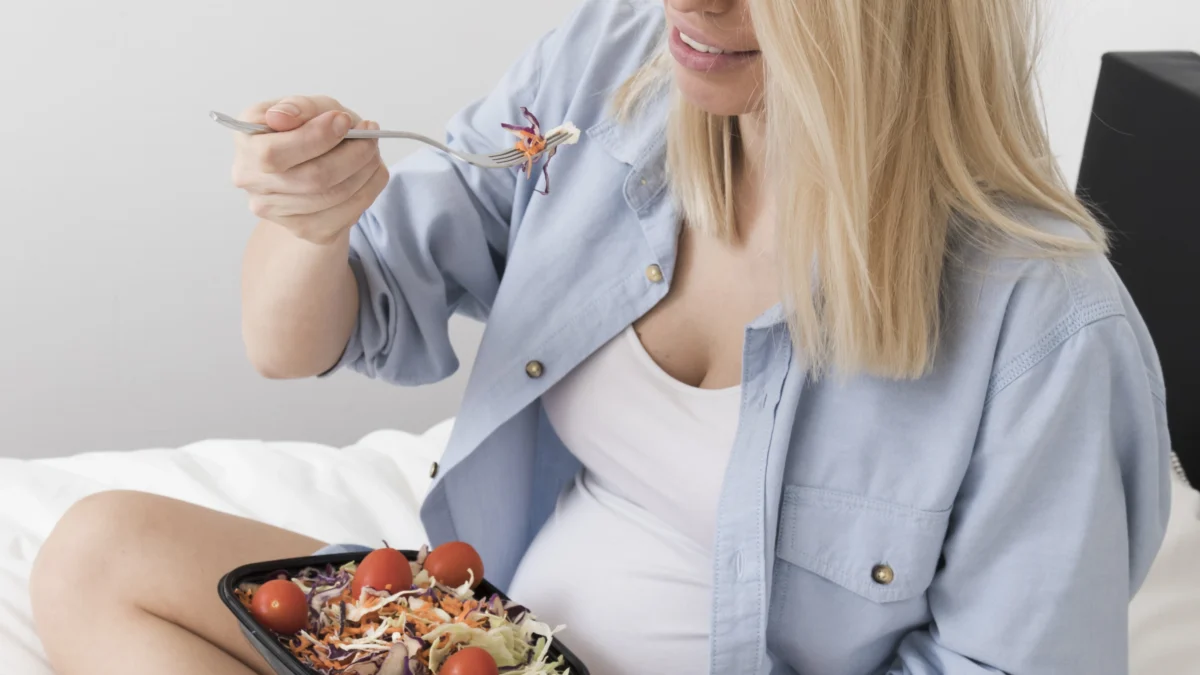
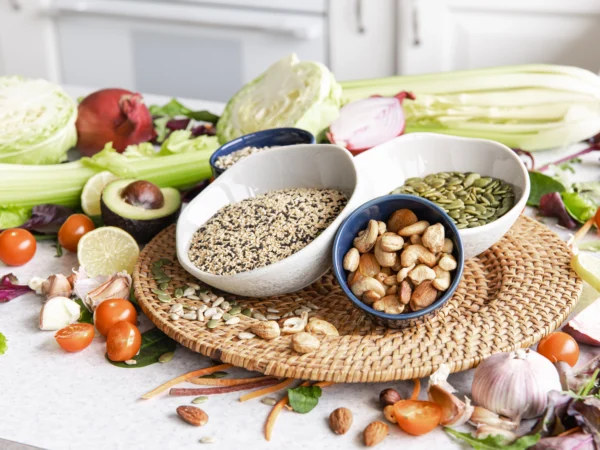
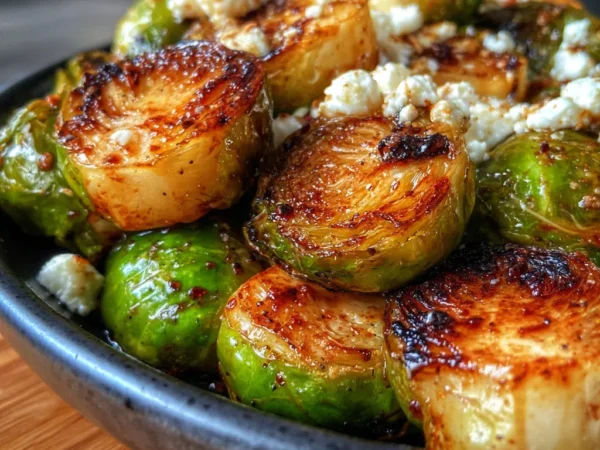
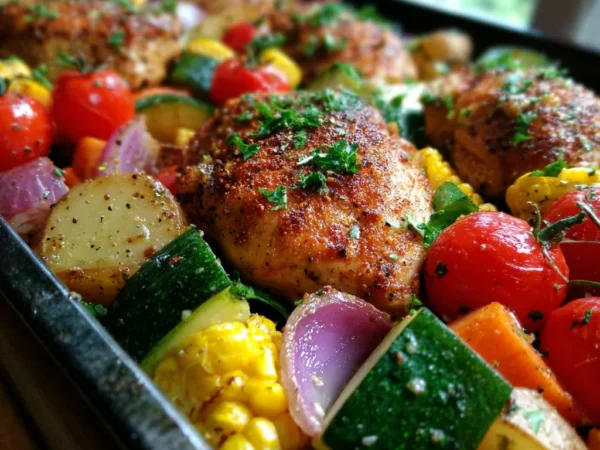
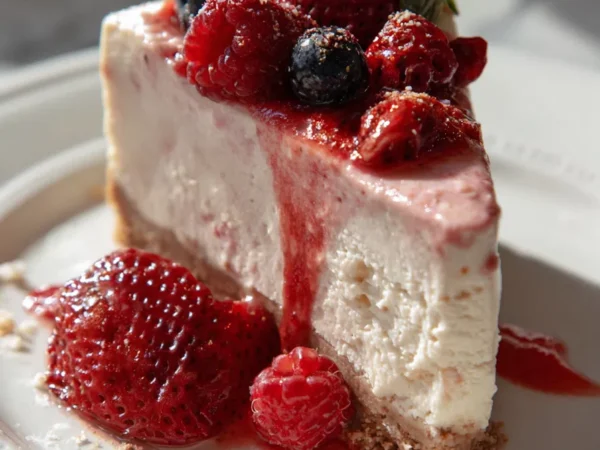
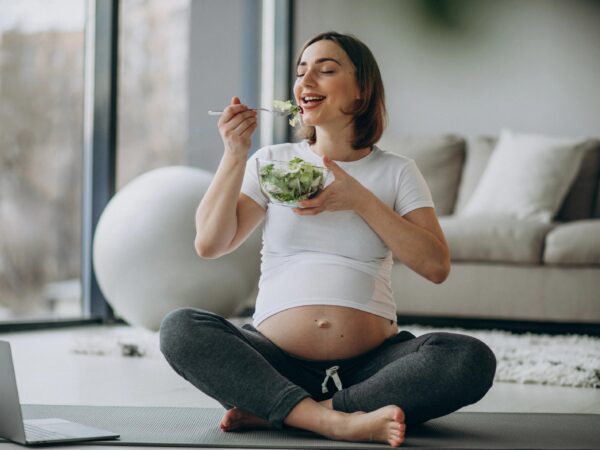
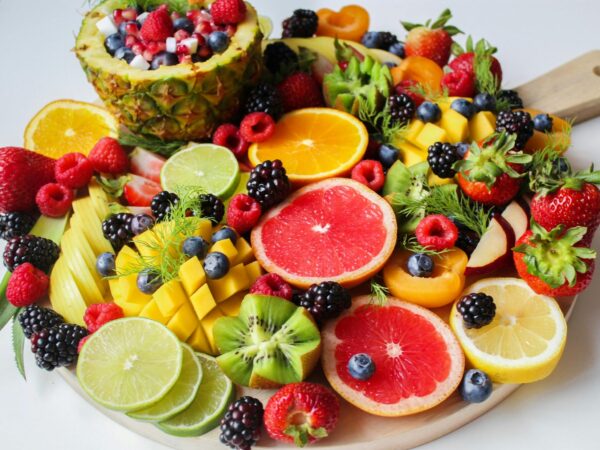
When you eat a diet high in processed foods and sugar during pregnancy, it can put a strain on your child’s liver and affect its development. On the other hand, a diet rich in fruits, vegetables, and whole grains can provide the nutrients your child’s liver needs to function properly. For example, foods high in antioxidants like berries and leafy greens can help support liver health.
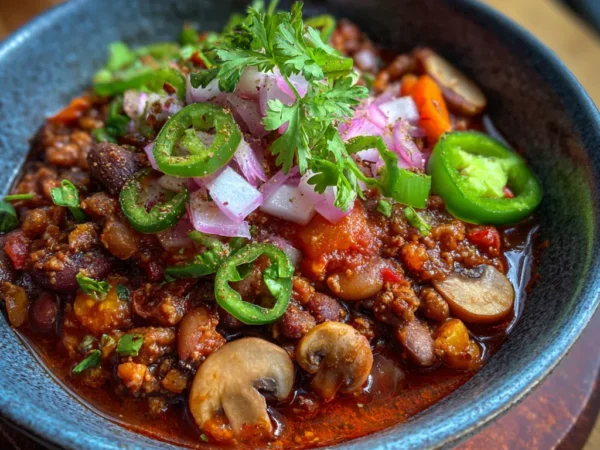
Additionally, certain nutrients like folate and iron are crucial for liver development and function. Mamas can get these nutrients by eating foods like dark leafy greens, beans, and fortified cereals. By making informed choices about our diet during pregnancy, we can give our babies the best possible start in life.
It’s also important to limit or avoid foods that can hinder liver health, like processed meats and sugary drinks. These foods can put a strain on the liver and increase the risk of problems. By being mindful of our diet during pregnancy, we can reduce the risk of liver issues and give our babies a healthy start.
What Actually Helps: Emma’s Top Tips
- Eat a balanced diet rich in fruits, vegetables, and whole grains. For example, I made sure to include a variety of colorful fruits and vegetables in my diet during pregnancy to support liver health.
- Incorporate foods high in antioxidants like berries, leafy greens, and other fruits and vegetables. I added a handful of spinach to my smoothies every morning to give my child’s liver a boost.
- Limit or avoid processed foods and sugary drinks. I made a conscious effort to avoid sugary snacks and drinks during pregnancy and instead opted for healthier options.
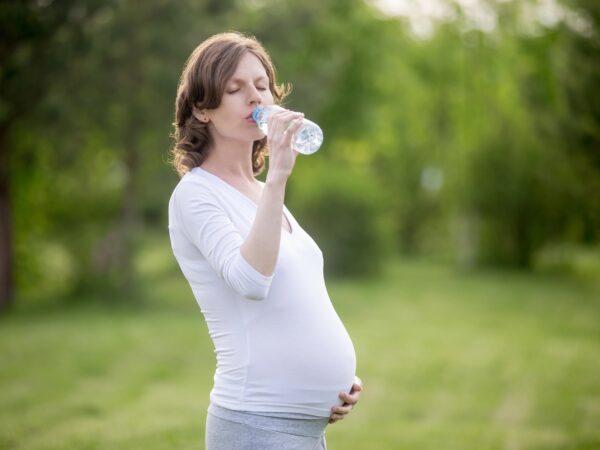
- Stay hydrated by drinking plenty of water throughout the day. I aimed to drink at least eight glasses of water a day to support my child’s liver health.
- Consider taking a prenatal vitamin that contains essential nutrients like folate and iron. I took a prenatal vitamin recommended by my doctor to ensure I was getting all the necessary nutrients for my child’s liver development.
- Manage stress through relaxation techniques like meditation or deep breathing. I practiced deep breathing exercises every day to reduce stress and support my child’s liver health.
What to Avoid
One mistake mamas make is not prioritizing their diet during pregnancy. It’s easy to get caught up in cravings or convenience, but these choices can have long-term consequences for our children’s health. By making informed choices about our diet, we can reduce the risk of liver issues and give our babies a healthy start.
Another mistake is not staying hydrated. Drinking plenty of water is crucial for liver health, and mamas should aim to drink at least eight glasses a day. Additionally, mamas should limit or avoid foods that can hinder liver health, like processed meats and sugary drinks.
Emma’s Story
I remember feeling overwhelmed during my pregnancy, trying to make sense of all the conflicting advice about what to eat and what to avoid. I was worried that I was making mistakes that could affect my child’s health. But with the support of my doctor and a lot of research, I was able to make informed choices about my diet and give my baby the best possible start in life.
What specifically changed for me was when I started working with a registered dietitian who specialized in prenatal nutrition. She helped me create a personalized meal plan that met my needs and supported my child’s liver health. It was a game-changer for me, and I felt more confident in my ability to make healthy choices.
Now, as a mama, I feel more empowered to make informed choices about my diet and my child’s health. I’m grateful for the experience and the knowledge I gained along the way. I hope that by sharing my story, I can help other mamas feel more confident and supported during their pregnancies.
When to Talk to Your Doctor
If you’re experiencing any concerning symptoms like severe fatigue, digestive issues, or unexplained weight gain, it’s essential to talk to your doctor right away. These symptoms could be signs that your child’s liver is struggling, and your doctor can help you determine the best course of action.
Additionally, if you have a family history of liver problems or other health concerns, it’s crucial to discuss these with your doctor. They can help you assess your risk and create a plan to support your child’s liver health.
Mama FAQs
What are some common foods that can affect my child’s liver health?
Foods high in processed sugars and unhealthy fats can put a strain on your child’s liver, while foods rich in antioxidants and essential nutrients like fruits, vegetables, and whole grains can support liver health. For example, foods like berries, leafy greens, and fatty fish are rich in antioxidants and can help support liver health.
How can I tell if my child’s liver is struggling?
Signs that your child’s liver might be struggling include fatigue, digestive issues, unexplained weight gain or loss, skin issues, and mood swings. If you’re concerned about your child’s liver health, it’s essential to talk to your doctor and get a proper diagnosis.
Can I still have a healthy pregnancy if I have a family history of liver problems?
Yes, it’s possible to have a healthy pregnancy even if you have a family history of liver problems. By working closely with your doctor and making informed choices about your diet and lifestyle, you can reduce your risk and support your child’s liver health.
What are some essential nutrients for liver health?
Essential nutrients like folate, iron, and antioxidants are crucial for liver health. Foods rich in these nutrients include dark leafy greens, beans, fortified cereals, and fatty fish. By incorporating these foods into your diet, you can support your child’s liver health.
How can I manage stress during pregnancy to support my child’s liver health?
Managing stress during pregnancy is essential for supporting your child’s liver health. Techniques like meditation, deep breathing, and yoga can help reduce stress and promote overall well-being. By prioritizing your mental health, you can support your child’s liver health and have a healthy pregnancy.
You’re not alone in this, mama. I’m here for you, and I want to support you on your journey to a healthy pregnancy and a happy, healthy baby. You’ve got this, and I’m cheering you on every step of the way.









































Share your thoughts 💬