Scar Tape for C-Sections: A Postpartum Physical Therapist’s Guide
As a mama who’s been through a C-section, I know firsthand how challenging the recovery process can be. Many of us struggle with pain, discomfort, and adhesions in our scar tissue, but it’s not something we often talk about. I’m here to share my journey and help you understand the benefits of scar tape for C-sections.
I had a C-section with my first baby, and the recovery was tough. I experienced pain and discomfort for months, and I didn’t know how to alleviate it. It wasn’t until I started working with a postpartum physical therapist that I learned about the benefits of scar tape for C-sections.
This post aims to educate and empower you to take control of your postpartum recovery. By sharing my story and tips from a postpartum physical therapist, I hope to help you feel more confident and comfortable in your own skin. This is one of those things I wish someone had told me sooner, mama.
What Is Scar Tape for C-Sections: What I Learned from a Postpartum Physical Therapist and Why Does It Happen?
Scar tape, also known as scar tissue release or scar massage, is a technique used to help release tension in the scar tissue after a C-section. When we have a C-section, our body forms adhesions and scar tissue as part of the healing process. However, this scar tissue can sometimes become tight and cause discomfort, pain, or limited mobility.
Many mamas struggle with pain and discomfort after a C-section, but it’s not always easy to find solutions. We may feel like we’re alone in our struggles or that we’re just being sensitive. But the truth is, many women experience similar issues, and there are ways to alleviate them.
Signs You Might Be Dealing With This
- If you’re experiencing pain or discomfort around your scar tissue, it could be a sign that you need to work on releasing tension in the area. This pain can manifest as sharp stabs or a dull ache.
- If you notice limited mobility or stiffness in your abdomen or lower back, it could be related to scar tissue adhesions. This can make everyday activities like bending or lifting challenging.
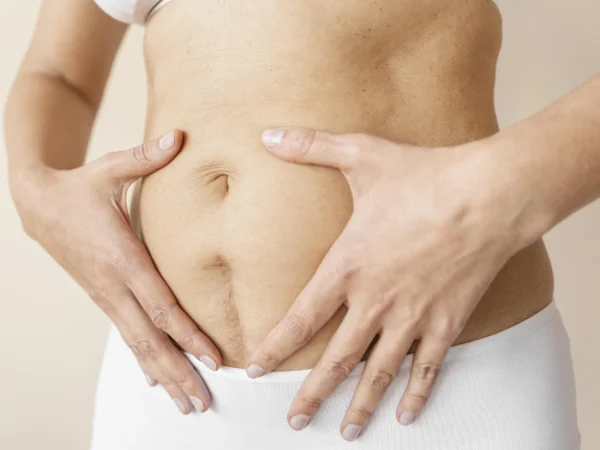
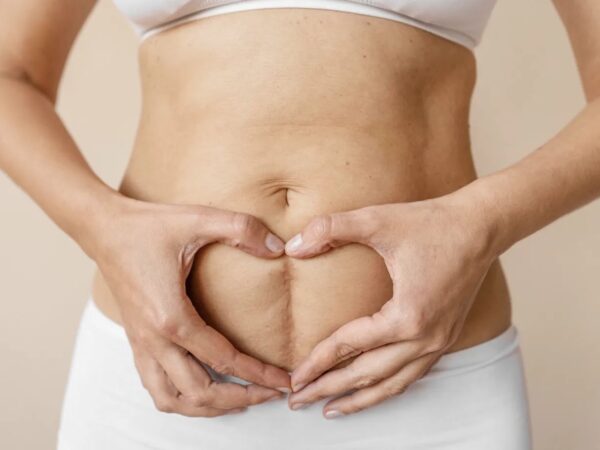
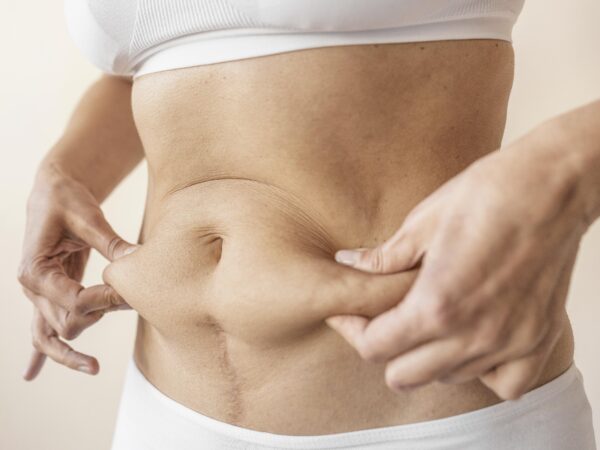
- If you have a visible lump or ridge around your scar tissue, it may indicate adhesions or scar tissue buildup. This can be tender to the touch.
- If you’re experiencing emotional or hormonal imbalances after your C-section, it could be related to scar tissue and adhesions. This can manifest as anxiety, depression, or mood swings.
- If you’ve noticed changes in your bowel movements, bladder function, or sex drive after your C-section, it could be related to scar tissue and adhesions. These changes can be uncomfortable and affect your daily life.
How to Actually Use Scar Tape for C-Sections: What I Learned from a Postpartum Physical Therapist
To use scar tape effectively, you’ll need to gently massage the scar tissue with your fingers or a tool, applying gentle pressure and stretching the skin. You can also use specialized tape or bandages to help release tension in the area. It’s essential to start slowly and gently, gradually increasing pressure and duration as your body allows.
A postpartum physical therapist can provide personalized guidance on how to use scar tape and other techniques to promote healing and release tension. They can also help you identify any underlying issues and develop a customized plan to address them. By working with a therapist, you can feel more confident and empowered in your recovery.
Remember, healing and recovery take time, and it’s essential to be patient and kind to yourself throughout the process. With consistent effort and the right guidance, you can alleviate pain and discomfort, improve mobility, and enhance overall well-being. By incorporating scar tape into your daily routine, you can take control of your postpartum recovery and feel more confident in your own skin.
What Actually Helps: Emma’s Top Tips
- Start by gently massaging your scar tissue with your fingers, using gentle pressure and circular motions. Gradually increase pressure and duration as your body allows.
- Use a scar massage tool or specialized tape to help release tension in the area. These tools can provide additional support and guidance.
- Practice deep breathing and relaxation techniques to help manage stress and promote healing. This can include meditation, yoga, or guided relaxation exercises.
- Engage in regular exercise, such as walking or swimming, to promote blood flow and overall well-being. This can help reduce pain and discomfort.
- Consider working with a postpartum physical therapist to develop a customized plan for your recovery. They can provide personalized guidance and support.
- Be patient and kind to yourself throughout the recovery process, celebrating small victories and acknowledging challenges. Remember, healing takes time.
What to Avoid
One common mistake mamas make is neglecting to address scar tissue and adhesions after a C-section. This can lead to prolonged pain and discomfort, as well as limited mobility and emotional imbalances. By ignoring these issues, we may inadvertently create more significant problems down the line.
Another mistake is using too much pressure or force when massaging the scar tissue, which can cause further irritation and discomfort. It’s essential to start slowly and gently, gradually increasing pressure and duration as your body allows. By being gentle and patient, you can avoid exacerbating the issue.
Emma’s Story
I remember feeling lost and frustrated during my postpartum recovery, struggling with pain and discomfort that seemed to have no solution. I felt like I was alone in my struggles, and I didn’t know where to turn for help. But with the guidance of a postpartum physical therapist, I began to understand the benefits of scar tape and other techniques for promoting healing and release.
By incorporating scar tape into my daily routine, I started to notice significant improvements in my pain levels and mobility. I felt more confident and empowered in my recovery, and I began to enjoy activities that had previously been challenging. This small change made a huge difference in my overall well-being.
Today, I’m passionate about sharing my story and helping other mamas understand the benefits of scar tape and postpartum physical therapy. By being proactive and taking control of our recovery, we can alleviate pain and discomfort, improve mobility, and enhance overall well-being. You are not alone, mama, and there is hope for healing and recovery.
When to Talk to Your Doctor
If you’re experiencing severe pain or discomfort, or if you notice signs of infection such as redness, swelling, or discharge around the scar tissue, it’s essential to seek medical attention. Additionally, if you’re experiencing emotional or hormonal imbalances that persist or worsen over time, it’s crucial to discuss these with your healthcare provider.
Remember, as a mama, you are your best advocate. Don’t hesitate to reach out to your healthcare provider if you have concerns or questions about your recovery. By being proactive and seeking support, you can ensure the best possible outcomes for your physical and emotional well-being.
Mama FAQs Ὂ8
What are the benefits of using scar tape for C-sections?
The benefits of using scar tape for C-sections include reduced pain and discomfort, improved mobility, and enhanced overall well-being. By releasing tension in the scar tissue, you can alleviate adhesions and promote healing. Regular use of scar tape can also help reduce the appearance of the scar.
How long does it take to see results from using scar tape?
The amount of time it takes to see results from using scar tape can vary depending on individual circumstances. Some mamas may notice improvements within a few weeks, while others may take longer. Consistency and patience are key when using scar tape for C-sections.
Can I use scar tape if I have a sensitive skin?
If you have sensitive skin, it’s essential to approach with caution when using scar tape. Start with gentle pressure and monitor your skin for any adverse reactions. You may also consider using hypoallergenic tape or consulting with a healthcare professional for guidance.
Can scar tape be used for other types of scars?
While scar tape is commonly used for C-section scars, it can also be used for other types of scars, such as surgical scars or traumatic scars. However, it’s essential to consult with a healthcare professional before using scar tape on any new scar tissue.
Is scar tape a substitute for medical treatment?
Scar tape is not a substitute for medical treatment. While it can be a useful tool for promoting healing and release, it’s essential to consult with a healthcare professional for any underlying medical issues. Scar tape should be used in conjunction with, not in place of, medical treatment.
You’re not alone in this journey, mama. There is hope for healing and recovery, and I’m here to support you every step of the way. By being proactive and taking control of your recovery, you can alleviate pain and discomfort, improve mobility, and enhance overall well-being. You’ve got this, mama!






























































































Share your thoughts 💬