As a mama, I know how overwhelming it can be to choose the right sleeping arrangement for your baby. With so many options available, it’s hard to know what’s best for your little one. One option that’s gaining popularity is the Montessori floor bed, and for good reason.
I remember when I first heard about the Montessori floor bed, I was skeptical. I didn’t know much about it, and I wasn’t sure if it was safe or practical. But after doing some research and talking to other mamas, I decided to give it a try. And I’m so glad I did – it’s been a game-changer for our family.
In this post, we’ll dive into the world of Montessori floor beds and explore why they’re becoming so popular. We’ll cover the benefits, the signs that your baby might be ready, and some tips for making the transition smooth. This is one of those things I wish someone had told me sooner, mama.
What Is The Montessori Floor Bed for Babies: Why 2026 Parents Are Choosing It and Why Does It Happen?
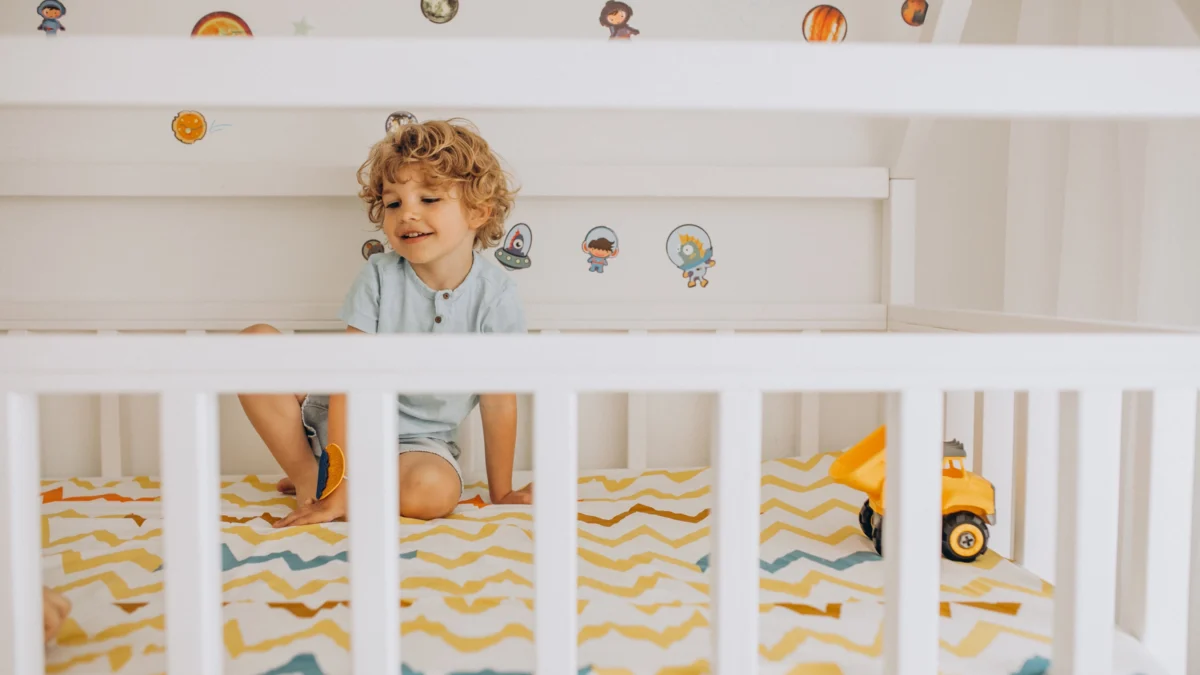
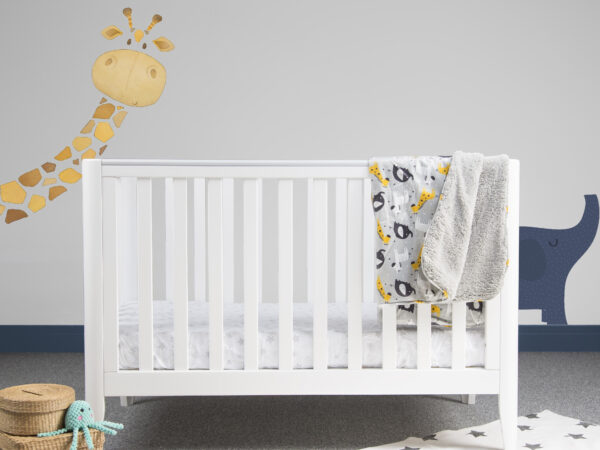
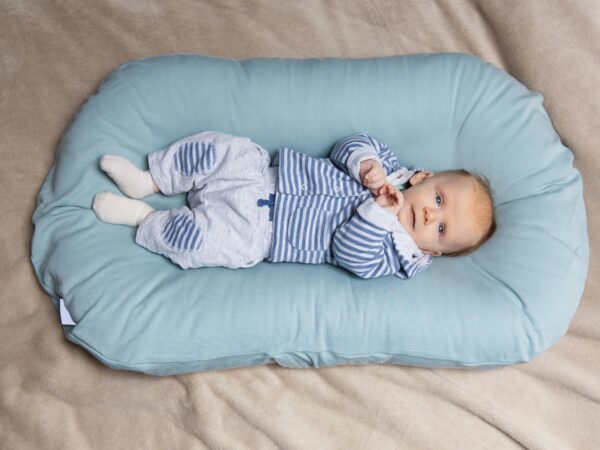
The Montessori floor bed is a type of bed that’s designed to be low to the ground, making it easy for babies to get in and out of. It’s typically a mattress on the floor, surrounded by a guardrail to prevent the baby from rolling out. This design allows babies to move freely and develop their motor skills, while also promoting independence and self-soothing.
Many mamas struggle with finding the right sleeping arrangement for their babies, and it’s not uncommon for babies to have trouble sleeping in traditional cribs. The Montessori floor bed offers a solution to this problem, providing a safe and comfortable space for babies to sleep and develop. By choosing a Montessori floor bed, parents can help their babies develop good sleep habits and a sense of independence from a young age.
Signs You Might Be Dealing With This
- Your baby is having trouble sleeping in their crib and is waking up frequently during the night. This could be a sign that they need more freedom to move and develop their motor skills. By switching to a Montessori floor bed, you can give your baby the space they need to sleep comfortably and develop at their own pace.
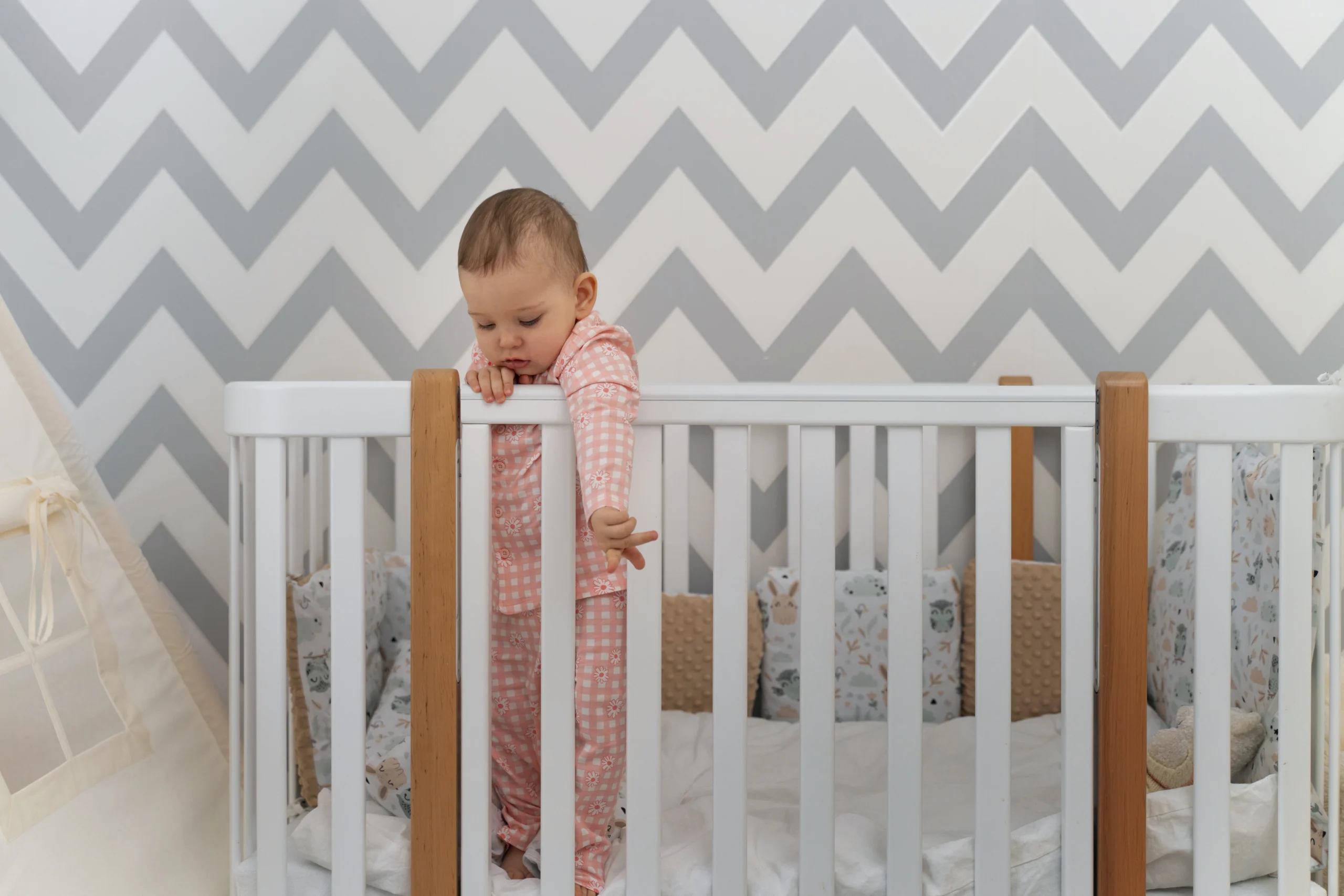
- Your baby is showing signs of readiness for a big kid bed, such as climbing out of their crib or expressing a desire to sleep in a big bed. The Montessori floor bed is a great transition bed, as it allows babies to get used to sleeping in a bigger bed while still providing the safety and security of a guardrail. This can make the transition to a big kid bed much easier and less stressful for both babies and parents.
- You’re looking for a way to promote independence and self-soothing in your baby. The Montessori floor bed is designed to encourage babies to self-soothe and fall asleep on their own, which can be a huge benefit for parents who are struggling with sleep deprivation. By giving your baby the space to develop these skills, you can help them become more independent and confident.
- You want to create a sleep-friendly environment that promotes healthy sleep habits. The Montessori floor bed is a great option for parents who want to create a sleep-friendly environment, as it allows babies to sleep in a quiet, dark space that’s free from distractions. This can help regulate your baby’s sleep patterns and promote healthy sleep habits from a young age.
- You’re interested in the Montessori method and want to incorporate its principles into your parenting. The Montessori floor bed is a key part of the Montessori method, which emphasizes independence, self-directed learning, and hands-on activity. By choosing a Montessori floor bed, you can help your baby develop the skills and values that are central to the Montessori method.
How to Choose the Right Montessori Floor Bed for Your Baby
Choosing the right Montessori floor bed for your baby can be overwhelming, especially with so many options available. To make the process easier, start by considering the size of the bed and the material it’s made of. You’ll want to choose a bed that’s the right size for your baby, with a comfortable mattress and a sturdy guardrail to prevent them from rolling out.
Once you’ve narrowed down your options, think about the style and design of the bed. Do you want a bed with a simple, minimalist design, or something more elaborate and decorative? Consider your baby’s personality and needs, as well as your own personal style and preferences. You’ll also want to think about the safety features of the bed, such as the height of the guardrail and the stability of the mattress.
Finally, consider the price and value of the bed. Montessori floor beds can range in price from a few hundred to several thousand dollars, depending on the quality and features of the bed. While it’s tempting to choose the cheapest option, remember that a good-quality Montessori floor bed is an investment in your baby’s health and well-being. By choosing a bed that’s safe, comfortable, and durable, you can help your baby develop good sleep habits and a sense of independence that will last a lifetime.
What Actually Helps: Emma’s Top Tips
- Start by preparing your baby for the transition to a Montessori floor bed. This can involve talking to them about the new bed, showing them pictures, and gradually introducing them to the idea of sleeping in a big kid bed. By preparing your baby in advance, you can make the transition much smoother and less stressful for both of you.
- Make sure the room is dark, quiet, and at a comfortable temperature. This will help your baby sleep better and develop healthy sleep habits. Consider using blackout curtains, a white noise machine, and a thermostat to create a sleep-friendly environment that promotes relaxation and rest.
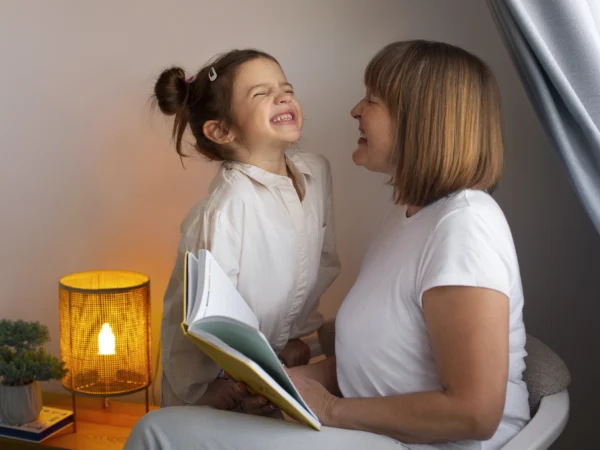
- Establish a bedtime routine that includes calming activities, such as reading, singing, and cuddling. This will help your baby wind down and prepare for sleep, making it easier for them to fall asleep and stay asleep. Be consistent with the routine, and try to avoid stimulating activities or exposure to screens before bedtime.
- Give your baby plenty of time to get used to the new bed. It may take a few nights for them to adjust, so be patient and don’t get discouraged if they don’t take to it right away. Remember that every baby is different, and some may take longer than others to adjust to a new sleeping arrangement.
- Consider using a sleep sack or swaddle to help your baby feel secure and comfortable in their new bed. This can be especially helpful for babies who are used to sleeping in a crib, as it provides a sense of familiarity and security. Just be sure to follow the manufacturer’s instructions and use the sleep sack or swaddle safely and correctly.
- Don’t be afraid to ask for help if you need it. Whether it’s a pediatrician, a sleep consultant, or a fellow mama, there are many resources available to help you navigate the challenges of parenting and sleep. Don’t be afraid to reach out and ask for advice or support – it can make all the difference in helping you and your baby get the sleep you need.
What to Avoid
Another mistake is to not establish a consistent bedtime routine. This can make it difficult for babies to wind down and prepare for sleep, leading to problems with falling asleep and staying asleep. To avoid this, establish a calming bedtime routine that includes activities like reading, singing, and cuddling, and stick to it consistently. Avoid stimulating activities or exposure to screens before bedtime, and try to create a sleep-friendly environment that promotes relaxation and rest.
Emma’s Story
What really helped me was establishing a consistent bedtime routine and creating a sleep-friendly environment. I started reading to my baby every night, singing lullabies, and cuddling with them before bed. I also made sure the room was dark, quiet, and at a comfortable temperature, using blackout curtains, a white noise machine, and a thermostat to create a sleep-friendly environment. By doing these things, I was able to help my baby develop healthy sleep habits and a sense of independence that has lasted to this day.
Today, my baby is a happy and well-rested toddler, and I owe it all to the Montessori floor bed. It’s been a game-changer for our family, and I highly recommend it to any mama who’s struggling with sleep. With patience, consistency, and the right support, you can help your baby develop good sleep habits and a sense of independence that will last a lifetime. Don’t be afraid to try something new and take the leap – it may just be the best decision you ever make for your baby and your family.
Mama FAQs
What is the best age to transition to a Montessori floor bed?
The best age to transition to a Montessori floor bed depends on the individual baby and their unique needs and developmental stage. Generally, babies are ready to transition to a Montessori floor bed between 12 and 24 months, but it’s essential to consider their physical and emotional development before making the switch. Some babies may be ready earlier, while others may need more time. It’s crucial to watch for signs of readiness, such as climbing out of the crib or expressing a desire to sleep in a big kid bed.
How do I know if my baby is ready for a Montessori floor bed?
You’ll know your baby is ready for a Montessori floor bed when they start showing signs of readiness, such as climbing out of their crib, expressing a desire to sleep in a big kid bed, or demonstrating an interest in sleeping on a mattress on the floor. Other signs of readiness include the ability to get in and out of the bed safely, the ability to self-soothe and fall asleep independently, and the ability to stay in the bed throughout the night without getting out. It’s essential to consider your baby’s physical and emotional development before making the transition, and to prepare them in advance by talking to them about the new bed and gradually introducing them to the idea of sleeping in a big kid bed.
What are the benefits of using a Montessori floor bed?
The benefits of using a Montessori floor bed are numerous, and include promoting independence and self-soothing, encouraging healthy sleep habits, and providing a safe and comfortable sleeping environment. Montessori floor beds also allow babies to develop their motor skills and hand-eye coordination, as they learn to get in and out of the bed and navigate their surroundings. Additionally, Montessori floor beds can help babies develop a sense of responsibility and ownership, as they learn to take care of their bed and their sleep environment. By choosing a Montessori floor bed, parents can give their babies the gift of independence, self-confidence, and healthy sleep habits that will last a lifetime.
Can I use a Montessori floor bed with a toddler?
Yes, you can use a Montessori floor bed with a toddler, but it’s essential to consider their unique needs and developmental stage before making the transition. Toddlers may require more supervision and guidance when using a Montessori floor bed, as they may be more prone to getting out of the bed and exploring their surroundings. However, with patience, consistency, and the right support, toddlers can thrive in a Montessori floor bed and develop healthy sleep habits that will last a lifetime. It’s crucial to establish a consistent bedtime routine, create a sleep-friendly environment, and provide plenty of opportunities for physical activity and outdoor play during the day.
How do I prevent my baby from getting out of the Montessori floor bed?
To prevent your baby from getting out of the Montessori floor bed, it’s essential to use a guardrail or a bed rail to block their access to the floor. You can also use a sleep sack or a swaddle to help your baby feel secure and comfortable in their bed, making it less likely for them to try to get out. Additionally, make sure the room is baby-proofed, and there are no hazards or obstacles that could pose a risk to your baby’s safety. It’s also crucial to establish a consistent bedtime routine and create a sleep-friendly environment that promotes relaxation and rest, reducing the likelihood of your baby trying to get out of the bed.
I see you, mama, and I know that you’re doing your best to give your baby the gift of healthy sleep habits and a sense of independence. It’s not always easy, but with patience, consistency, and the right support, you can help your baby thrive in a Montessori floor bed. Remember, you’re not alone in this journey, and there are many resources available to help you navigate the challenges of parenting and sleep. Keep going, mama, you’ve got this


























































































Share your thoughts 💬