
Low AMH Fertility Success: Women Share Their Stories
As a mama, there’s nothing more heartbreaking than struggling to conceive. Low AMH levels can be a significant obstacle, leaving many women feeling hopeless. But I’m here to tell you that there’s still hope, and I’m not alone.
I remember the pain and frustration of trying to conceive with low AMH levels. It felt like my body was failing me, and I was running out of options. But with the right mindset and support, I was able to overcome the challenges and build my family.
This post is for all the mamas out there who are struggling with low AMH fertility. We’ll explore the real stories of women who have overcome this challenge, and I’ll share my top tips for success. This is one of those things I wish someone had told me sooner, mama.

What Is Low AMH Fertility and Why Does It Happen?
Low AMH (Anti-Müllerian Hormone) levels indicate that your ovaries are producing fewer eggs, making it more challenging to conceive. This can happen due to various factors, including age, genetics, and medical conditions. As a result, many women struggle with infertility and feel like they’re running out of options.
It’s essential to understand that low AMH levels don’t necessarily mean you’re infertile. Many women with low AMH levels have gone on to conceive naturally or with the help of fertility treatments. However, it can be a significant challenge, and it’s crucial to have the right support and guidance.
Signs You Might Be Dealing With Low AMH Fertility
- Irregular menstrual cycles can be a sign of low AMH levels, as it may indicate that your ovaries are not producing eggs regularly. This can be a challenging symptom to deal with, especially when you’re trying to conceive.
- Early menopause or premature ovarian failure can also be a sign of low AMH levels, as it may indicate that your ovaries are not functioning correctly. This can be a difficult and emotional experience for many women.
- Family history of early menopause or infertility can increase your risk of low AMH levels, making it essential to be proactive about your fertility. By understanding your family history, you can take steps to protect your fertility and increase your chances of conceiving.
- Previous fertility treatments or surgeries can also impact your AMH levels, making it more challenging to conceive. It’s essential to work with a fertility specialist who understands your unique situation and can provide personalized guidance.
- Advanced age can also affect your AMH levels, making it more challenging to conceive. However, with the right mindset and support, many women over 35 have gone on to conceive and build their families.
Low AMH Fertility Success Stories: What Worked for Women Trying to Conceive with Diminished Ovarian Reserve
Many women have overcome low AMH fertility challenges and gone on to conceive. Their stories are inspiring and offer hope to those who are struggling. By understanding what worked for them, you can increase your chances of success.
Some women have found success with fertility treatments, such as IVF or ICSI. Others have made lifestyle changes, such as improving their diet, exercising regularly, and reducing stress. By making these changes, you can improve your overall health and increase your chances of conceiving.
It’s essential to remember that every woman’s journey is unique, and what works for one person may not work for another. However, by learning from others and being proactive about your fertility, you can increase your chances of success.
What Actually Helps: Emma’s Top Tips
- Improve your diet by eating foods rich in antioxidants, such as berries, leafy greens, and other fruits and vegetables. A healthy diet can help improve your overall health and increase your chances of conceiving.
- Exercise regularly, but avoid over-exercising, which can negatively impact your fertility. By finding a balance that works for you, you can improve your overall health and increase your chances of conceiving.
- Reduce stress by practicing mindfulness, meditation, or yoga. High levels of stress can negatively impact your fertility, making it more challenging to conceive.
- Get enough sleep, aiming for 7-8 hours per night, to help regulate your hormones and improve your overall health. By prioritizing sleep, you can increase your chances of conceiving.
- Consider supplements, such as CoQ10, vitamin D, and omega-3 fatty acids, which can help improve your fertility. However, always consult with a healthcare professional before adding any new supplements to your routine.
- Work with a fertility specialist who understands your unique situation and can provide personalized guidance. By having the right support and guidance, you can increase your chances of success.
What to Avoid
When trying to conceive with low AMH levels, it’s essential to avoid certain things that can negatively impact your fertility. Smoking, for example, can significantly reduce your chances of conceiving. By quitting smoking, you can improve your overall health and increase your chances of conceiving.
Excessive caffeine consumption can also negatively impact your fertility, making it more challenging to conceive. By limiting your caffeine intake, you can improve your overall health and increase your chances of conceiving.
Emma’s Story
I remember the pain and frustration of trying to conceive with low AMH levels. It felt like my body was failing me, and I was running out of options. But with the right mindset and support, I was able to overcome the challenges and build my family.
I started by making lifestyle changes, such as improving my diet and exercising regularly. I also worked with a fertility specialist who provided personalized guidance and support. By having the right mindset and support, I was able to overcome the challenges and conceive.
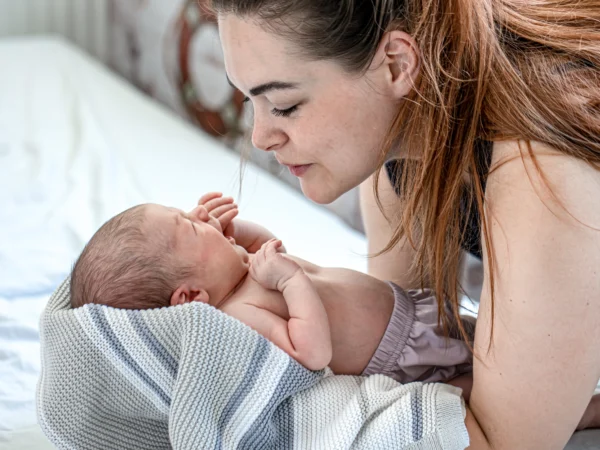
Now, I’m a mama of two beautiful children, and I feel grateful and blessed. I know that I’m not alone, and I want to help other women who are struggling with low AMH fertility.

When to Talk to Your Doctor
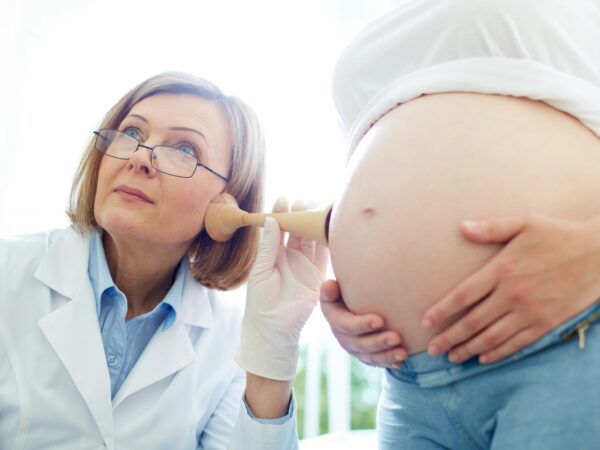
If you’re struggling to conceive or have concerns about your fertility, it’s essential to talk to your doctor. They can provide guidance and support, and help you understand your options.
Don’t be afraid to advocate for yourself and ask questions. Your doctor is there to help you, and it’s essential to have an open and honest conversation about your fertility.
Mama FAQs ✨
What are the chances of getting pregnant with low AMH levels?
The chances of getting pregnant with low AMH levels can be challenging, but it’s not impossible. Many women with low AMH levels have gone on to conceive naturally or with the help of fertility treatments. However, it’s essential to work with a fertility specialist who understands your unique situation and can provide personalized guidance.
Can low AMH levels be improved?
While low AMH levels can’t be significantly improved, there are steps you can take to improve your overall health and increase your chances of conceiving. This includes making lifestyle changes, such as improving your diet, exercising regularly, and reducing stress.
How long does it take to conceive with low AMH levels?
The time it takes to conceive with low AMH levels can vary depending on individual circumstances. Some women may conceive quickly, while others may take longer. It’s essential to work with a fertility specialist who understands your unique situation and can provide personalized guidance.
What are the best fertility treatments for low AMH levels?
The best fertility treatments for low AMH levels depend on individual circumstances. Some women may benefit from IVF or ICSI, while others may find success with other treatments. It’s essential to work with a fertility specialist who understands your unique situation and can provide personalized guidance.
Can I still get pregnant naturally with low AMH levels?
While low AMH levels can make it more challenging to conceive naturally, it’s not impossible. Many women with low AMH levels have gone on to conceive naturally, and it’s essential to remain positive and proactive about your fertility.
As a mama, I know how challenging it can be to struggle with low AMH fertility. But I also know that there’s hope, and I’m not alone. You’ve got this, mama ✨












































































































Share your thoughts 💬